Lead Paint Removal and Abatement in Pflugerville, Texas
Round Rock Lead Paint Removal focuses on lead paint removal and abatement planning for homes in Pflugerville, Texas. Interior surfaces, exterior woodwork, painted windows and trim can call for different approaches, including removal, component replacement or a suitable barrier treatment. Start with the affected surfaces and the purpose of the work before comparing proposals.
A porch repair and a project intended to eliminate lead hazards may disturb similar material but need different qualifications and completion steps. We explain those distinctions so your request identifies what needs assessment, what you want changed and which repairs should be included afterward. An older construction date is a reason to investigate the relevant surfaces, not a finding that every room contains lead paint.
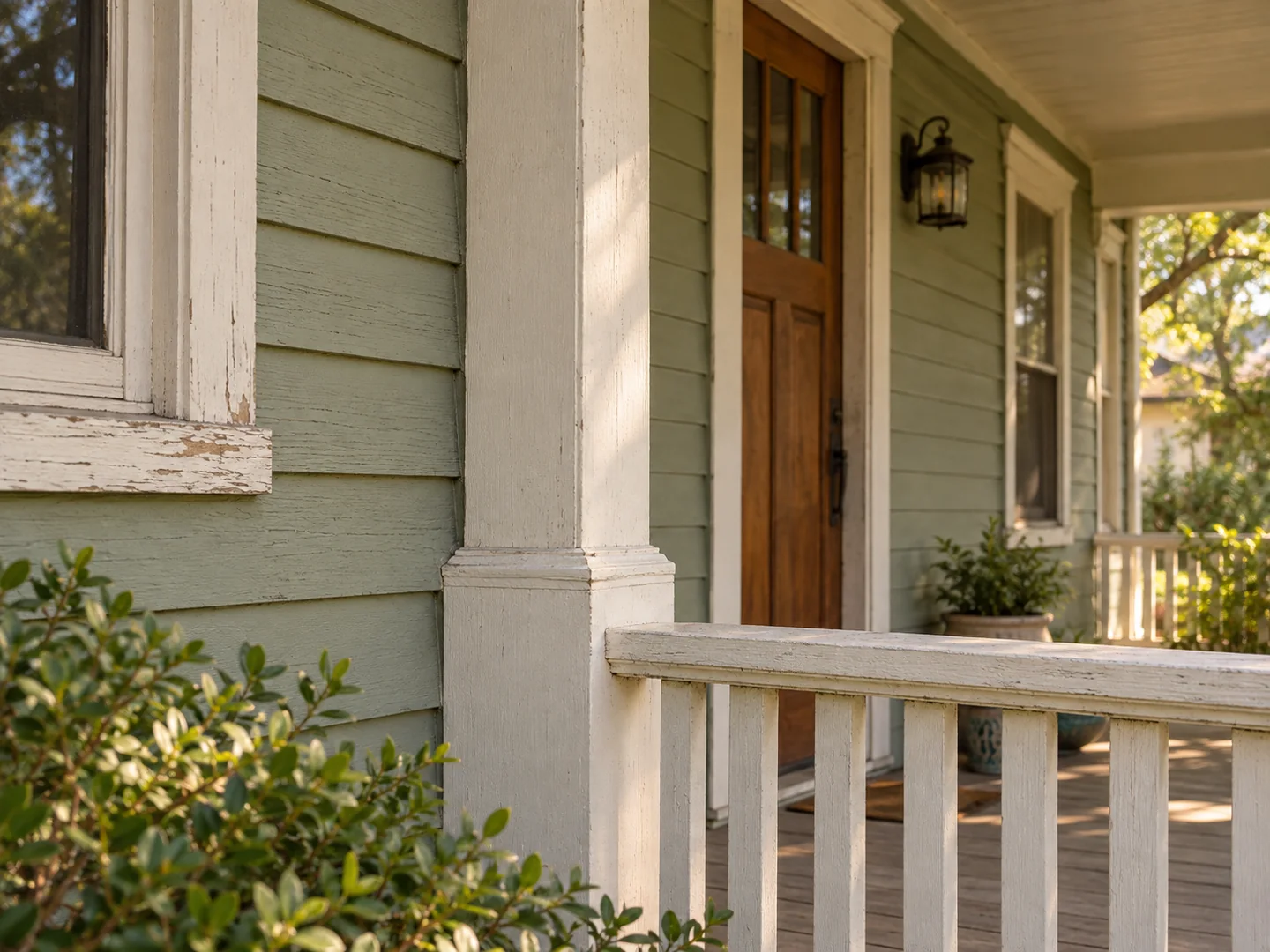
Lead Paint Removal and Abatement options in Pflugerville
Interior and exterior lead paint removal
An interior removal request should identify the rooms and components involved, with any existing inspection findings attached. Include whether adjoining rooms must remain in use, how belongings can be protected and which entrances provide access. Ask the qualified contractor to explain the work-area arrangements and completion procedure for the actual project.
Outside, separate the painted siding, porch posts, railings and other trim instead of requesting a single unspecified exterior price. A proposal should distinguish removal from the carpentry and repainting that follow. Confirm responsibility for protecting nearby surfaces, handling debris and restoring the finished appearance. These details help avoid comparing a removal-only quote with one that includes repaired, ready-to-use woodwork.
Windows, doors, trim and painted components
When a window or door is already due for replacement, identify the full assembly affected by the work. Frames, casings, sills and adjacent painted surfaces may be involved even if the new unit itself contains no old paint. A newer window does not settle the condition of the surrounding trim in a pre-1978 home.
For porch and siding repairs, ask which pieces can remain and which are proposed for replacement. Matching the desired appearance, providing the new material and finishing exposed edges belong in the written scope. The project’s purpose still matters: replacing a component during a renovation and replacing it as lead abatement are not automatically the same category of work.
Encapsulation and enclosure
Encapsulation uses a purpose-designed barrier coating; enclosure places a durable barrier over the affected material. Both leave underlying paint in place. They deserve a suitability assessment rather than being treated as ordinary repainting or a universal shortcut around removal.
Ask how the surface condition, use and future access affect the proposed treatment. Records should identify where the underlying paint remains, what was installed and what monitoring or maintenance is needed. That matters when later carpentry, plumbing access or other alterations could disturb the barrier. Compare these options with removal and replacement using the same intended result, including any finish work. A lower initial price does not explain the future responsibilities associated with a retained surface.
Inspection, risk assessment and renovation planning
An inspection and a risk assessment answer different questions. A lead inspection identifies lead-based paint; a risk assessment considers lead hazards and management options. Share previous reports so the commissioned professional can see what has already been evaluated and what falls outside those findings.
For a planned remodel, describe the actual disturbance: which windows are changing, which walls are being opened or which porch elements need repair. An evaluation should give the next contractor usable information about that scope. Texas qualifications for covered lead inspection and risk assessment differ from renovation certification. Agree the professional’s role and report deliverables before assuming that a general home inspection or an unspecified lead test supplies the information the project requires.
Older painted components and project planning in Pflugerville
In Pflugerville, a useful starting point is the relationship between painted material and the repair underneath it. A damaged porch component can involve carpentry, surface treatment and finish work in the same location. Keeping those tasks together in the project description makes it easier for each professional to understand the proposed disturbance.
The city’s residential addition/remodel application distinguishes existing and new square footage and identifies the relevant trades. That building description serves a different purpose from deciding how lead-related work is classified. For an address within city jurisdiction, confirm the applicable remodel requirements and make sure the lead-work proposal describes the same physical changes.
A documented local lead-paint repair example
Pflugerville’s legislative file 2014-3220 gives a concrete historical example. The city described repairs to the 1913 Bohls House, now the Heritage House Museum, that included addressing lead paint alongside porch, screen and siding carpentry. It shows why paint treatment and component repairs may need coordinated planning.
That record concerns one municipal property and a past project. It does not describe the current condition of the museum or establish how much lead paint exists in Pflugerville homes. For your property, the useful lesson is to identify the affected pieces before work is divided between contractors. Photographs and an existing report can help connect the paint findings to the exact railing, trim or siding that the repair proposal names.
Keep carpentry, lead work and remodel permissions aligned
Before requesting bids, separate the work into retained material, removed material and new construction. For example, repairing a porch may retain some painted posts while replacing other components. Each boundary should be clear enough that the carpenter and lead professional are discussing the same job.
Ask the city about permits for the underlying alterations, and ask the responsible lead professional about the applicable lead program and qualifications. Neither answer substitutes for the other. If electrical, mechanical or plumbing changes accompany a remodel, identify those trades as well. Keep a current version of the scope available to everyone pricing the work; a later decision to replace an additional window or open another wall can change what painted material will be disturbed.
Choose the right lead-work scope and completion records
First establish the purpose of the project. Abatement is intended to permanently eliminate lead-based paint hazards. Renovation, repair and painting undertaken for another purpose can disturb lead paint and fall under EPA’s RRP requirements. Similar-looking work does not make the qualifications interchangeable. Confirm the Texas DSHS credentials relevant to covered abatement or evaluation work, rather than treating an EPA renovation credential as evidence of every lead-related qualification.
The proposal should name the completion procedure and the person responsible for it. Post-abatement clearance and RRP cleaning verification are different. Federally assisted housing can bring additional requirements, so disclose that context at the outset when it applies. Ask what records will be supplied and which surfaces or areas those records cover.
Planning also includes access, protection of belongings, the use of rooms during work and the point at which finish repairs begin. Have the qualified contractor explain the arrangements appropriate to the project; do not assume one occupancy plan fits all work. Covered Texas abatement has a notification process that can affect scheduling. A useful schedule accounts for assessment, any required approvals, the work itself and its completion checks before promising that a room will be ready.
For a separate property with historic-feature questions, Lead Paint Removal and Abatement in Georgetown covers planning around retained exterior components and the property’s designation.
Frequently asked questions
Does an older home definitely contain lead paint?
No. Age helps identify what deserves attention, but it does not establish the findings for a particular surface. Supply the home’s approximate construction date and any prior reports, then define the evaluation needed for the intended work. Avoid assuming that newer fixtures or a recent repaint establish what lies beneath or beside them.
Is repainting the same as lead abatement?
No. Repainting may be part of renovation, while abatement has the purpose of permanently eliminating lead hazards. The responsible professional should identify the applicable category, credentials and completion procedure. A painting estimate should not be read as including qualified abatement unless that work is explicitly and appropriately specified.
Must every painted surface be removed?
Not necessarily. Findings, surface condition and the intended use shape the treatment options. Removal, component replacement, encapsulation or enclosure may be considered where suitable. Ask what remains after each option and what maintenance or future-work restrictions follow, rather than treating complete stripping as the assumed outcome of every assessment.
What should a lead-work proposal include?
Include the affected components, project purpose, qualified roles, access arrangements and the boundaries of removal or retained material. Cleanup, applicable completion records, disposal and finish repairs should be explicit. Compare proposals against that same scope so omitted carpentry or repainting does not disappear inside an apparently lower total.
Discuss lead paint removal and abatement in Pflugerville
Prepare the Pflugerville address, approximate building age, affected surfaces and any existing report. Describe the repair or treatment you are considering and whether the home will be occupied. Phone coming soon. Send your project details using the form below.