Lead Paint Removal and Abatement in Georgetown, Texas
Round Rock Lead Paint Removal focuses on lead paint removal, abatement and treatment planning for homeowners in Georgetown, Texas. We organize the choices around interior paint, exterior siding, windows, doors and trim, including removal, replacement and suitable encapsulation or enclosure. The first decision is what the project needs to accomplish and which painted components it will affect.
For an older home, keeping a feature and changing its finish can raise different questions from replacing the feature altogether. A useful proposal connects the lead-related findings, the desired repair and the finished result. Where historic designation is relevant, bring that information into the discussion early. It does not establish that paint contains lead, and a lead assessment does not settle whether a proposed exterior alteration is appropriate for the property.
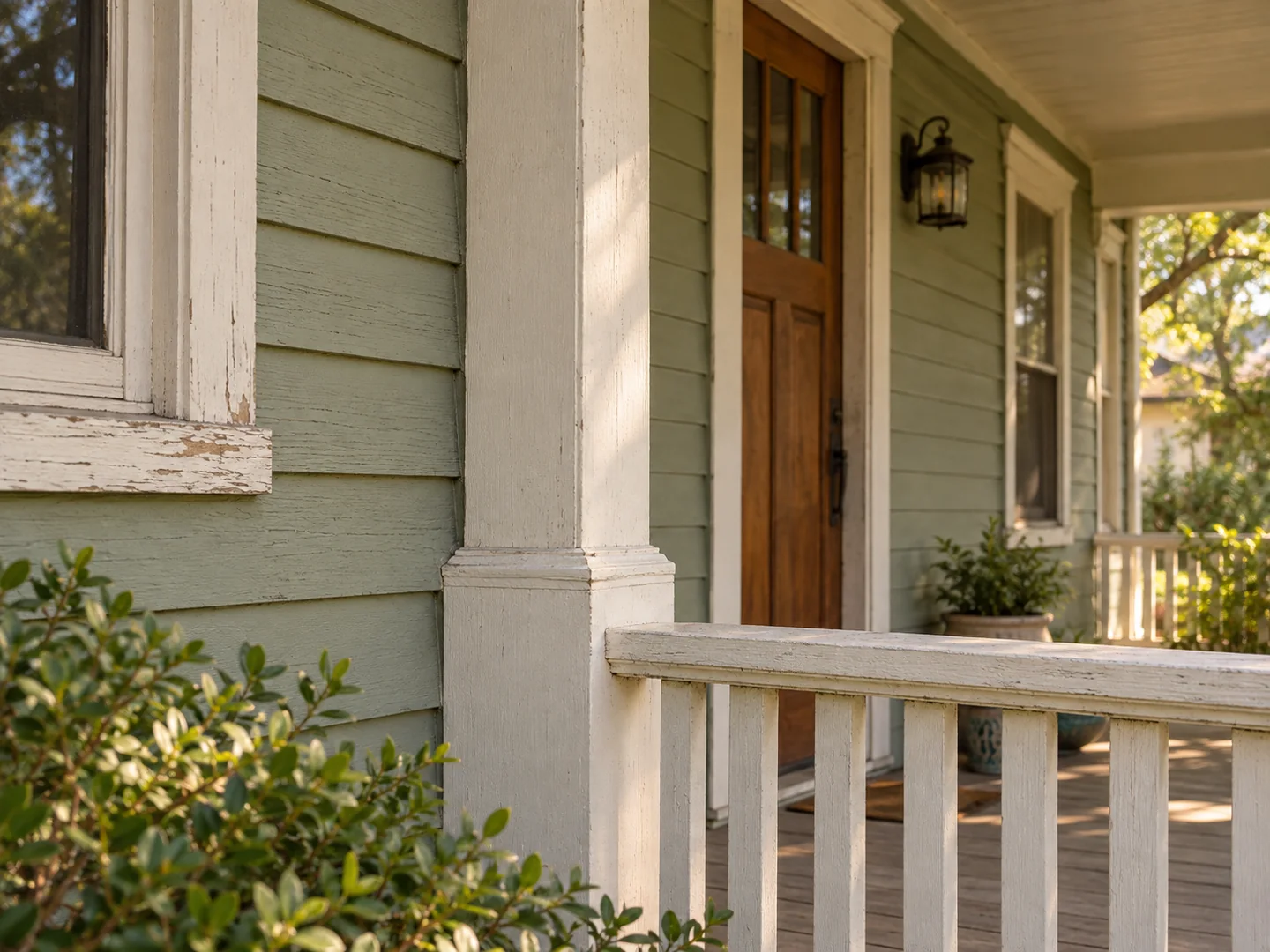
Lead Paint Removal and Abatement options in Georgetown
Interior and exterior lead paint removal
Interior work should be described by identifiable surfaces rather than a general instruction to remove old paint. Specify the rooms, trim or other components covered by the findings and ask what will remain. Protection of adjacent finishes, access to the work area and restoration afterward need their own place in the proposal.
Exterior projects often involve a decision about retaining woodwork. Before pricing a full repaint, distinguish sound material that the owner wants preserved from components proposed for repair or replacement. Ask the qualified contractor to address the lead-related scope, debris and surrounding-area protection, and the completion requirements that apply. Ordinary painting preparation should not be assumed to include those responsibilities merely because both jobs involve the same wall or porch.
Windows, doors, trim and painted components
A window-replacement quote can mean very different things depending on whether it includes the frame, sill and surrounding casing. Describe the whole affected area, particularly where old trim will remain next to a new unit. In pre-1978 housing, newer windows alone do not establish that adjacent painted components are free of lead.
For a Georgetown property with valued architectural features, discuss the desired proportions and appearance before ordering replacements. The lead professional’s findings and the repair specialist’s assessment should inform the same component list. If a feature is retained, agree what finish repairs follow the lead work. If it changes, identify replacement material and any property-specific preservation review as separate decisions rather than leaving them to the installation day.
Encapsulation and enclosure
A suitable barrier treatment may allow underlying painted material to remain, but it must be selected for the actual surface and use. Encapsulation is a purpose-designed coating; enclosure uses a durable covering. Neither should be described as making the underlying lead paint disappear.
Ask what future monitoring, maintenance and access are required. Keep records showing the treatment locations so a later contractor does not unknowingly open or alter a covered surface. The appearance of an enclosure may also matter where a visible historic feature is involved. Compare the proposed result with removal or replacement on both project scope and retained material. Suitability cannot be established by choosing a product name or assuming that every painted surface can simply receive another coat.
Inspection, risk assessment and renovation planning
Before commissioning treatment, decide which question needs answering. A lead inspection identifies lead-based paint, while a risk assessment evaluates hazards and management strategies. A report for one purpose should not be casually substituted for the other, and neither is itself the removal work.
For planned carpentry or repainting, give the evaluator a clear description of the intended changes. Include existing findings, known previous repairs and the areas that will be disturbed. Ask what qualifications apply to the professional’s role and what written deliverables the assessment includes. A general home inspection or a renovation firm’s credential is not, by itself, proof of the Texas qualifications needed for covered lead evaluation. The report should be usable when the actual work is scoped.
Older painted components and project planning in Georgetown
Georgetown’s historic design guidance makes retained architectural material an important project consideration. That creates a practical question for a homeowner: is the proposal intended to preserve the existing feature, repair part of it or replace it? The answer affects the detail needed before a lead-work price can be compared with a general painting or carpentry estimate.
This concern is specific to the property and the proposed work. An older Georgetown house is not automatically subject to the same designation or review as another building nearby. Confirm the address’s status with city preservation staff when exterior changes are proposed, while keeping lead evaluation and treatment decisions with the appropriately qualified professionals.
Preserve or replace the affected feature
Start with a component list and the desired result. For a porch, that may mean distinguishing retained posts, railings to be repaired and trim proposed for replacement. For a window, show which frame and surrounding details the owner wants to keep. This gives the estimator more useful information than a request to make an older exterior look new.
The city’s design guidance discusses care of historic wood and compatible finishes. Those preservation goals should inform the discussion, but general maintenance advice is not a lead-removal method. Ask the lead and repair professionals to resolve how the proposed treatment fits the retained material. Record any necessary change to the original plan before work begins, including who supplies the replacement piece and who completes its finish.
Check designation before exterior alterations
Before changing exterior windows, doors or other visible features on a designated property, ask city preservation staff what review is relevant to that address and alteration. Provide photographs and a description of the proposed result. This is more useful than asking whether every old house needs an identical permit.
Keep the answers attached to the project documents so the treatment and repair proposals stay aligned. A contractor quoting replacement should know if the intended appearance or materials need further discussion. Conversely, retaining a component does not eliminate the need to address confirmed lead-related findings appropriately. Allow the schedule to reflect any unresolved selection or review rather than ordering materials around an assumption. Interior lead-work decisions and exterior preservation questions may belong to different parts of the same project.
Choose the right lead-work scope and completion records
The purpose of the work determines an important distinction. A project designed to permanently eliminate lead hazards may be abatement; a renovation or repainting project that disturbs paint for another reason follows a different analysis under EPA’s RRP program. Texas DSHS qualifications for covered lead activities and EPA renovation credentials are not interchangeable. Ask the prospective firm to state which role it will perform and verify the qualifications applicable to that role.
Next, define the finished result. Will the proposal leave treated material ready for another painter, or include the final finish? Are removed components replaced, and who handles those replacements? Are belongings, access routes and use of adjacent rooms addressed? Agree those boundaries in writing so separate trades do not each assume the other has included the same necessary task.
Finally, specify completion records. Post-abatement clearance and RRP cleaning verification are distinct procedures; federally assisted housing can have additional requirements. The responsible professional should explain the checks and records appropriate to the project. Covered Texas abatement also has notification requirements that belong in schedule planning. Keep the assessment, treatment documents and retained-material information together for future owners or contractors, especially where later work could disturb an enclosure or preserved feature.
For another property where carpentry and painted surfaces need coordinated planning, Lead Paint Removal and Abatement in Pflugerville includes a documented municipal repair example and local remodel considerations.
Frequently asked questions
Does an older home definitely contain lead paint?
No. A building’s age does not establish the presence or condition of lead paint on a particular component. Use qualified evaluation appropriate to the question you need answered. Historic designation is also separate from lead findings; neither the designation nor an attractive recent finish replaces an assessment of affected material.
Is repainting the same as lead abatement?
No. The purpose and scope matter, even when both activities affect painted wood. Renovation certification should not be treated as proof of abatement or inspection qualifications. Ask the firm to identify its role and the completion procedure that applies before comparing its proposal with one for a different type of work.
Must every painted surface be removed?
No universal treatment fits every property. Evaluation may support comparing removal, component replacement or an appropriate barrier treatment. For a feature you want to retain, discuss both treatment suitability and the finished appearance. Any retained underlying paint and future monitoring responsibilities should be documented rather than left implicit.
What should a lead-work proposal include?
A useful proposal identifies the affected surfaces, retained and replaced material, project classification and qualified roles. It should cover access, occupant arrangements, disposal, completion checks and records, plus carpentry and finish repairs. Where exterior preservation review is relevant, identify that coordination without assuming a lead-work credential covers it.
Discuss lead paint removal and abatement in Georgetown
Prepare the Georgetown address, approximate age, any inspection report and photographs of the affected components. Mention known historic designation and whether you hope to retain or replace the features. Phone coming soon. Send your project details using the form below.